



Preparing Your Engine and Cooling System for Sustained Texas Heat
Sustained extreme temperatures place immense stress on a vehicle’s cooling system, which must work twice as hard to regulate engine temperature when ambient temperatures soar. Commuters who frequently travel past the Round Rock Premium Outlets on Interstate 35 understand how stop-and-go traffic in extreme heat taxes an engine’s cooling system. To prevent overheating, our certified service technicians recommend verifying the coolant level in the overflow reservoir when the engine is completely cool. The fluid should be bright green, orange, or pink; if it appears brown, rusty, or contains visible contaminants, a complete system flush is required to maintain proper heat transfer.
Most manufacturers recommend flushing the engine coolant every two years or 30,000 miles to prevent internal corrosion and optimize boil-over protection. Our service department is fully equipped to perform comprehensive diagnostic checks on your radiator, cooling fans, and water pump. For those driving models from our selection of luxury pre-owned vehicles, keeping up with these severe-service intervals is the most effective way to protect your investment.
In addition to fluid levels, the physical condition of the hoses and belts under the hood is critical. High underhood temperatures can cause rubber components to become brittle, leading to micro-cracks, bulges, or sudden leaks. If you notice any soft spots on the radiator hoses or fraying on the serpentine belt, drop by our location in Austin or give our service desk a quick call at (512) 518-6718 to schedule a preventive inspection before a major heat wave hits.
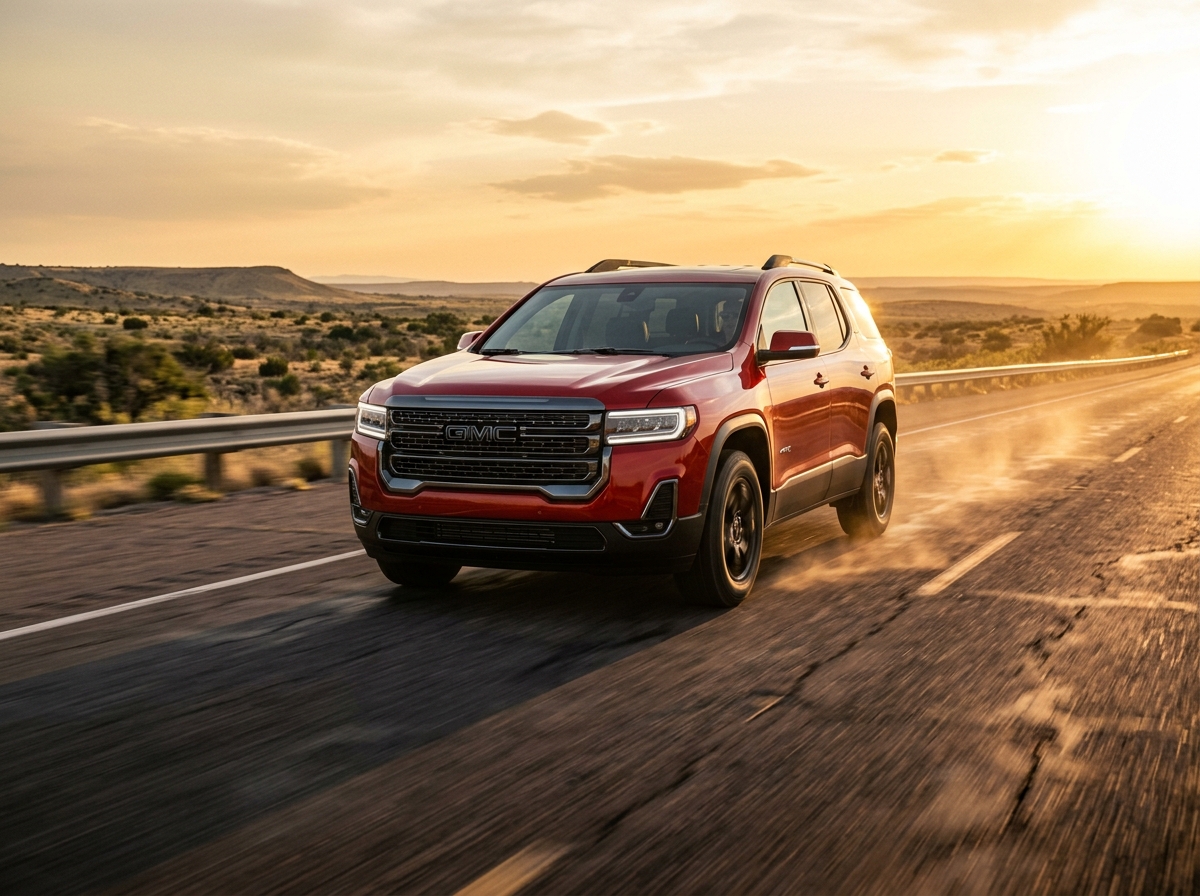
Table of Contents
- Managing Tire Pressure and Tread Safety on Hot Highways
- Detecting the Warning Signs of Hot-Weather Car Battery Failure
- Optimizing Cabin Climate Control and Protecting Exterior Paint from Intense Sun
- Recognizing Engine Overheating Warning Signs and Assembling a Summer Road Trip Kit
- Common Questions About Summer Vehicle Care
- Schedule Professional Summer Maintenance
Managing Tire Pressure and Tread Safety on Hot Highways
Hot pavement, long highway drives, and improper tire pressure can be a dangerous combination when summer temperatures peak. Families packing up for weekend trips to Lake Pflugerville should inspect their tire tread and cold tire pressure to prevent heat-induced failures on hot asphalt. Tire pressure rises about 1 PSI for every 10°F increase in temperature once the vehicle is driven or the pavement heats up. For this reason, always measure tire pressure first thing in the morning when the tires are cold, adjusting them to the vehicle manufacturer’s recommended cold pressure listed on the driver’s door jamb placard rather than the maximum pressure printed on the tire sidewall.
Operating a vehicle with underinflated tires in extreme heat causes the tire sidewalls to flex excessively. This flexing generates internal heat, significantly increasing the risk of a high-speed blowout on the highway. To maintain proper traction, safety, and braking performance, tires must be replaced once the tread depth reaches 2/32 of an inch or less, which can be measured with a tread depth gauge or a standard penny test. Regular tire rotations every 5,000 to 7,500 miles also help prevent uneven, heat-related wear and maintain predictable handling.
If your tires show signs of cracking, sidewall bulges, or uneven wear, it is critical to have them professionally evaluated. You can easily schedule a service appointment with our factory-trained technicians to have your tires rotated, balanced, or replaced. For added convenience, our dealership offers Mobile Service Plus, bringing certified maintenance directly to your home or office so you do not have to disrupt your daily schedule.
Detecting the Warning Signs of Hot-Weather Car Battery Failure
While many drivers associate battery failures with cold winter mornings, extreme summer heat is actually far more damaging to a car’s battery. High ambient temperatures accelerate internal plate corrosion and cause the liquid electrolyte solution inside the battery to evaporate. This chemical degradation weakens the battery’s overall capacity, often leading to a sudden failure when you least expect it. To prevent being stranded, drivers should have their vehicle battery load-tested by a professional once it reaches three years of age.
Recognizing the early warning signs of a failing battery can save you from a major inconvenience on a hot afternoon. Common indicators include a slow engine crank when starting, dimming headlights or cabin lights, and heavy white or powdery corrosion around the battery terminals. In severe cases, extreme heat can cause the battery case itself to swell or become bloated, which requires immediate replacement to prevent acid leaks or internal short-circuiting.
During our multi-point inspections, our technicians test your battery’s voltage and cold cranking amps to ensure it can withstand the thermal stress of a Texas summer. We also clean any terminal corrosion and verify that all connections are secure. Before you visit, be sure to check our current service and parts specials for valuable offers on battery testing, replacement, and other essential preventative maintenance services.
Optimizing Cabin Climate Control and Protecting Exterior Paint from Intense Sun
An efficient cabin climate control system is a necessity for passenger comfort and safety during the peak summer months. To maintain maximum airflow and cooling efficiency, cabin air filters should be replaced every 15,000 to 30,000 miles, or roughly once a year. A clogged cabin filter restricts airflow, forcing the air conditioning compressor to work harder and reducing the system’s ability to lower cabin temperatures quickly. If your A/C takes a long time to blow cold air or emits an unpleasant, musty odor, it is time to have the system inspected and the filter replaced.
Maintaining these advanced climate systems is especially important for modern, high-tech SUVs such as the 2026 Buick Enclave, which comes equipped with a 2.5L engine paired with an 8-speed automatic transmission. This spacious seven-passenger SUV delivers an EPA-estimated 20 city / 25 hwy MPG while keeping all passengers comfortable. If you are interested in experiencing these refined comfort features firsthand, you can explore the options available in our new Buick inventory. Keeping your vehicle’s ventilation system clean ensures that advanced features like active cabin humidity sensors and multi-zone air distribution operate exactly as engineered.
Beyond the interior cabin, intense solar radiation and high UV index levels can severely damage your vehicle’s exterior finish. Over time, UV rays break down the clear coat, leading to oxidation, paint fading, and premature aging. To protect your paint, wash your vehicle weekly using a pH-neutral automotive soap and a clean microfiber mitt. Additionally, make it a habit to rinse the exterior within 24 to 48 hours after a heavy rainstorm, as rainwater can mix with dust and pollen to create highly acidic spots that bake into the clear coat under the hot sun.
Recognizing Engine Overheating Warning Signs and Assembling a Summer Road Trip Kit
Recognizing the early warning signs that a vehicle is about to overheat can help you avoid severe engine damage. Key indicators include the temperature gauge climbing into the red zone, steam rising from under the hood, a sweet-smelling odor inside the cabin (which indicates leaking coolant), or a sudden drop in engine power accompanied by an illuminated Check Engine light. If you experience any of these signs, pull over safely, turn off the engine immediately, and do not attempt to open the radiator cap while the engine is hot.
For those driving electric vehicles, extreme summer heat presents unique challenges for battery thermal management. Temperatures exceeding 95°F can reduce an EV’s driving range by up to 17 percent. This reduction occurs because energy must be diverted to run the cabin air conditioning and the active liquid-cooling systems that protect the high-voltage battery pack from thermal degradation. Keeping up with cooling system inspections is just as vital for electric models as it is for traditional internal combustion engines.
Before embarking on any summer road trip, assembling a dedicated roadside emergency kit is a critical safety step. This kit should include drinking water, a portable cell phone charger, a first-aid kit, a flashlight, jumper cables, a tire-pressure gauge, and reflective warning triangles. If you are planning a trip that requires heavy towing or hauling, ensuring your vehicle’s cooling system is in peak condition is paramount. You can explore robust towing options and heavy-duty cooling packages by checking our new GMC inventory, which features trucks and SUVs engineered to handle demanding loads in extreme temperatures.
In the event of an unexpected breakdown or a flat tire during your travels, manufacturer-backed support is always within reach. Owners of Buick and GMC vehicles enjoy comprehensive protection through dedicated roadside assistance programs, which offer 24-hour towing to the nearest authorized dealer, flat-tire changes, battery jump-starts, and emergency fuel delivery. To access these exclusive services and ensure your vehicle is handled by certified experts using genuine parts, you can call Buick Roadside Assistance: 1-800-252-1112 or GMC Roadside Assistance: 1-888-881-3302 for immediate, professional support.
Common Questions About Summer Vehicle Care
Q: What is the ideal water-to-coolant ratio for Texas summers?
A 50/50 mix of distilled water and coolant is standard and provides optimal boil-over protection and heat transfer. In extreme hot weather, a 60/40 coolant-to-water ratio can be used for extra protection, though you should never exceed 70% coolant as it will reduce the mixture’s ability to transfer heat.
Q: Should I let air out of my tires if the pressure reads high on a hot afternoon?
No, you should never bleed air from hot tires because the temporary rise in pressure is normal and factored into tire design. Letting air out of a hot tire can cause it to become dangerously underinflated once the tire cools down to normal temperatures.
Q: How does extreme heat affect my vehicle’s motor oil?
High temperatures cause motor oil to thin out and break down more rapidly, reducing its lubricating properties and increasing engine wear. Austin drivers operating regularly in extreme summer heat should follow a severe-service oil change interval of 5,000 to 7,500 miles with synthetic oil to ensure proper engine protection.
Q: What should I do if my vehicle begins to overheat while driving?
Immediately turn off the air conditioning and turn on the heater to full blast to help pull heat away from the engine. Pull over safely to the side of the road, shut off the engine, and allow it to cool completely before checking fluid levels or calling for assistance.
Q: How does the Covert Buick GMC team help drivers prepare for summer?
Our factory-trained technicians perform comprehensive multi-point inspections that cover cooling systems, battery health, tire safety, and air conditioning performance. You can learn more about our team and our commitment to keeping local drivers safe on the road by visiting our dedicated information page.
Schedule Professional Summer Maintenance
Sustained high temperatures demand proactive vehicle maintenance to ensure safety, reliability, and peace of mind on every journey. Rather than waiting for a warning light or an unexpected breakdown on the highway, scheduling a preventative multi-point inspection is the most effective way to protect your vehicle. Our certified service center is fully equipped with advanced diagnostic technology and staffed by expert technicians who understand the unique demands of driving in extreme heat.
Whether your vehicle requires a cooling system flush, a battery replacement, or a fresh set of summer tires, our team is ready to deliver professional care. If you prefer to have our certified technicians come directly to you, you can schedule mobile service online to enjoy convenient maintenance at your home or office. If you are experiencing an urgent issue, you can also contact our service desk directly at (512) 518-6718 to speak with an advisor.
For those who prefer to drop off their vehicle for professional maintenance, we invite you to get directions to our dealership and visit our modern facility. Let Covert Buick GMC help you keep your vehicle running smoothly and safely all summer long.
© 2026 Covert Buick GMC. All rights reserved.
